



Travel costs can add up quickly, especially when transportation becomes one of the biggest expenses during a trip. Traditional rental car companies often include hidden fees, long counter lines, limited vehicle choices, and expensive insurance add-ons that can stretch your travel budget beyond expectations. That’s one reason many travelers are now turning to Turo, a peer-to-peer car-sharing marketplace that allows people to rent vehicles directly from local car owners.
Unlike traditional rental agencies, Turo gives travelers access to a huge range of vehicles at different price points. Whether you need an affordable compact car for city driving, an SUV for a family road trip, or even a luxury vehicle for a special occasion, the platform offers flexible options that can often be cheaper than major rental brands.
However, while Turo can help travelers save money, the final cost depends on how you book, when you book, the vehicle you choose, and the extra fees attached to your trip. Understanding how pricing works is essential if you want to maximize savings.
This guide explains exactly how to save money on car rentals with Turo, including practical booking strategies, fee breakdowns, pricing examples, and smart ways to avoid unnecessary costs.

Turo operates differently from traditional car rental companies. Instead of renting vehicles from a centralized fleet, travelers rent directly from vehicle owners called “hosts.”
Hosts list their cars on the platform, set availability, choose pricing, and offer optional extras like airport delivery, child seats, or unlimited mileage. Travelers browse listings, compare prices, book a vehicle, and coordinate pickup or delivery through the app.
Turo currently operates in several countries including the United States, Canada, Australia, France, and the United Kingdom.
Many travelers choose Turo because it offers:
For budget-conscious travelers, the biggest advantage is often the ability to compare dozens of local options at different price levels.
The base rental rate on Turo is set by the host. Prices vary depending on:
Economy cars may start around $20 to $40 per day in some cities, while SUVs and luxury cars can cost significantly more.
For example:
These numbers can vary widely depending on demand and city.
One of the most important things to understand about Turo pricing is the “trip fee.”
Turo adds a trip fee during checkout, and the amount changes dynamically based on several factors including:
Trip fees can range from around 2.5% to 100% of the trip price depending on the booking conditions.
This means a vehicle advertised at $40/day may end up costing much more after fees are added.

Turo also offers optional protection plans for renters. The cost depends on the level of coverage selected.
Available plans generally include:
Higher-tier plans reduce out-of-pocket costs if damage occurs during the trip.
Other potential charges include:
Understanding these charges before booking is one of the best ways to save money.
One of the easiest ways to save money on Turo is to book early.
Trip fees can increase significantly for last-minute bookings. Same-day or short-notice reservations often cost more because of dynamic pricing.
Booking early helps because:
If you already know your travel dates, booking several weeks ahead can often reduce total costs.
Many Turo hosts offer discounts for longer bookings.
Duration discounts may apply to:
Instead of booking multiple short rentals, combining them into one longer reservation may lower your average daily price.

One common mistake travelers make is focusing only on the advertised daily rate.
A vehicle listed at $30/day may end up costing more than one listed at $45/day once fees are included.
Always compare:
Some travelers notice that the final checkout price can increase substantially after all fees are added.
The smartest way to save money is to compare the final checkout total, not just the base price.
Luxury and high-value vehicles often come with:
If your goal is saving money, choosing a basic economy vehicle is usually the best option.
Compact sedans and smaller hatchbacks are often significantly cheaper for:
Luxury vehicles may look appealing, but the extra fees can dramatically increase your total cost.
Many Turo hosts offer airport delivery, which is convenient but not always cheap.
Airport-related charges may include:
To save money:
Sometimes taking a short rideshare away from the airport can reduce rental costs considerably.

Not all Turo vehicles include unlimited mileage.
Some hosts set daily mileage limits, and exceeding them can result in additional charges per mile.
Before booking, check:
If you plan long-distance driving, paying slightly more upfront for unlimited mileage can actually save money later.
Hosts may offer paid extras such as:
Only pay for extras you genuinely need.
Bringing your own accessories can help reduce total rental costs.
Turo charges young driver fees for renters under certain ages.
In many cases:
This fee can dramatically increase total trip cost.
Younger travelers can reduce costs by:
Shorter bookings often tend to have higher young driver-related costs.

Turo protection plans affect both price and financial responsibility during the trip.
Available plans vary by location and vehicle, but generally include:
Higher-tier plans reduce out-of-pocket expenses in case of damage but cost more upfront.
Before paying for extra protection:
Not all policies cover Turo rentals, so verify directly with your provider before declining protection.
A low price may look attractive, but poor hosts can create problems that cost money later.
Read reviews for:
Turo also highlights “All-Star Hosts,” who maintain strong ratings and reliability.
Paying slightly more for a trusted host may help avoid disputes and unexpected costs.
Turo allows hosts to charge violation fees for excessive mess or smoking-related issues.
To avoid unnecessary charges:
You do not need professional detailing, but returning the vehicle responsibly helps prevent disputes.
Hosts may charge reimbursement fees if the vehicle is returned with less fuel than required.
Always:
This simple habit can prevent overcharges and disputes.
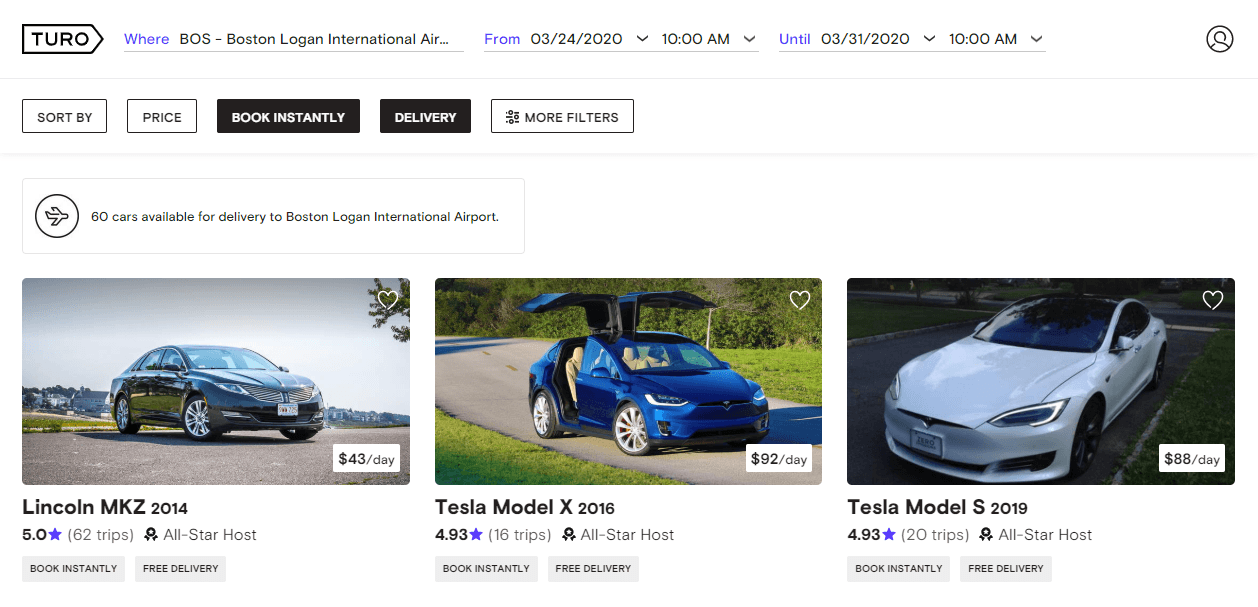
The platform allows travelers to filter by:
Using filters helps narrow down affordable vehicles quickly.
Some useful strategies include:
Like hotels and flights, car rental prices fluctuate throughout the year.
Prices often rise during:
Traveling during lower-demand periods can reduce both daily rates and trip fees.
Although Turo can save money, it’s still important to compare prices with traditional rental brands.
Sometimes:
Turo often works best for:
Always compare final totals before booking.
Here’s a realistic example of how a Turo booking might look:
Base vehicle price:
Possible additional costs:
Estimated total:
This example shows why checking the full checkout price matters more than focusing on the advertised daily rate.
The biggest ways to reduce Turo costs include:
Using several of these strategies together can significantly lower your final rental cost.
Many renters focus only on daily pricing and forget about:
Always review the full breakdown carefully.
Short-notice reservations often come with:
Planning ahead helps avoid this problem.
Luxury cars may seem appealing, but they usually increase:
For budget travel, simple vehicles are usually the better choice.
For many travelers, Turo offers a more affordable and flexible alternative to traditional rental agencies.
The platform is especially useful for:
However, savings depend heavily on how you book.
Travelers who understand Turo’s fee structure and compare listings carefully are far more likely to find great deals.
One of the biggest differences between Turo and traditional rental companies is the range of vehicles available. Traditional agencies usually focus on standard categories like economy cars, midsize sedans, SUVs, and minivans. Turo, on the other hand, gives travelers access to vehicles owned by individual hosts, which creates a much larger selection.
Travelers can often find:
This variety makes Turo especially appealing for travelers who want a specific driving experience instead of a generic rental category.
For example, someone planning a road trip through mountain areas may prefer a capable SUV, while another traveler may want an affordable hybrid vehicle to save money on fuel costs.
One important thing to understand is that Turo inventory depends heavily on location. Major cities usually have far more vehicle options than smaller towns.
Popular Turo markets often include:
In larger cities, competition between hosts can sometimes lead to lower prices and better deals for renters.

Some travelers use Turo for extended rentals lasting several weeks or even months. Hosts can offer long-trip discounts that reduce the daily rate significantly compared to short-term bookings.
Long-term Turo rentals may appeal to:
In some situations, a long-term Turo rental may be cheaper and more flexible than a short-term car lease.
Traditional rental companies sometimes require lengthy paperwork or strict return policies for extended rentals. Turo reservations can often be adjusted more easily through the platform, depending on the host’s availability and cancellation policy.
This flexibility is one reason many travelers prefer the platform for medium-length stays.
Turo has become increasingly popular among travelers interested in electric vehicles. In many cities, renters can find Tesla models and other EVs listed by hosts.
Electric vehicles may help travelers save money on fuel costs, especially during long trips where gas prices are high.
Popular EV categories on Turo often include:
Availability depends on city and host inventory.
Although EVs reduce fuel expenses, travelers should still factor in:
For city travel, EVs can sometimes provide a cost-effective transportation solution, particularly when combined with free hotel or public charging stations.
Turo uses different cancellation policies depending on the type of trip and how close the cancellation is to the reservation start time.
In many cases:
Travelers should always review cancellation terms carefully before confirming a booking.
Compared to some traditional agencies that may require prepaid nonrefundable reservations for the lowest rates, Turo sometimes provides more flexible booking choices depending on the host and trip type.
For travelers with uncertain schedules, reviewing flexible options can help reduce financial risk.
Turo includes a review and rating system that helps travelers evaluate hosts before booking.
After each completed trip, guests can leave reviews based on:
This system creates transparency and encourages better service quality across the platform.
Turo recognizes high-performing hosts through programs such as:
These hosts generally maintain strong ratings, high response rates, and reliable service standards.
Choosing experienced hosts may help travelers avoid common rental problems such as delayed pickups or inaccurate vehicle descriptions.
One feature that attracts many travelers to Turo is delivery convenience. Some hosts offer vehicle delivery directly to:
This can save travelers time compared to waiting in long airport rental counters.
While delivery can be helpful, it is important to compare the added cost carefully. Some hosts provide free delivery within a certain distance, while others charge additional fees.
Travelers focused on saving money should compare:
Sometimes self-pickup is the cheaper option.
Turo’s protection structure differs from traditional rental agency insurance.
Travelers should understand that:
Before booking, it is important to read the exact terms available in your region.
Turo encourages renters to document vehicle condition before and after the trip.
Travelers should take clear photos of:
This documentation helps protect both the host and renter in case of disputes.
Road trips are one of the most popular use cases for Turo.
Travelers often choose the platform because they can:
Unlike traditional agencies that may only guarantee a vehicle category, Turo allows travelers to choose the exact car they want.
Before starting a road trip, travelers should verify:
Choosing the wrong mileage package can increase costs significantly during long-distance trips.

Business travelers often use Turo because of its flexibility and convenience.
Advantages may include:
Some professionals also prefer Turo because they can select higher-end vehicles for meetings or events.
The Turo app provides trip receipts and booking details that can help with expense reporting for work-related travel.
Travelers should still verify reimbursement policies with their employer before booking.
Turo’s mobile app allows travelers to:
The app experience is one reason many travelers find the platform easier to use than traditional rental counters.
Hosts and guests typically communicate through Turo messaging. This creates a record of conversations related to:
Keeping communication inside the app can help resolve disputes more effectively if problems arise.
Not every car can be listed on Turo. The platform has eligibility requirements related to:
Requirements can vary by region.
This helps maintain minimum quality standards across the marketplace.
Hosts are responsible for maintaining their vehicles properly.
Travelers should still inspect the vehicle before starting the trip and report any issues immediately through the platform.

Choosing a fuel-efficient vehicle can significantly reduce travel expenses.
For example:
The cheapest rental price is not always the cheapest overall transportation option.
Smaller vehicles can also reduce parking expenses in crowded cities where parking rates are high.
Travelers visiting places with expensive parking often save more by renting compact vehicles rather than large SUVs.
Like airlines and hotels, Turo pricing is affected by demand spikes.
Costs may rise during:
Booking early becomes especially important during these periods.
During major travel weekends, affordable vehicles can disappear quickly from search results.
Travelers who wait too long may only see:
Early planning remains one of the most reliable ways to reduce rental costs.
Before pickup, travelers should confirm:
Miscommunication can create delays or additional charges.
Before driving away:
Taking a few minutes to inspect the vehicle can prevent disputes later.

Turo has become one of the best-known peer-to-peer car-sharing platforms in several markets.
Many travelers are attracted to the platform because it combines:
As more hosts join the platform, renters often gain access to more pricing options and vehicle categories.
Unlike traditional rental agencies, Turo experiences can feel more personal because travelers interact directly with hosts.
Some hosts provide:
This personalized approach is part of what makes the platform popular among repeat users.
Turo has changed the way many travelers approach car rentals by offering a marketplace with flexible pricing, diverse vehicles, and convenient booking options. For travelers willing to compare listings carefully and understand the fee structure, the platform can provide excellent value.
The key to saving money with Turo is not simply finding the cheapest advertised vehicle. Instead, smart travelers focus on the total experience and total cost, including:
By planning ahead, comparing hosts carefully, and choosing practical vehicles, travelers can often reduce transportation costs while enjoying greater flexibility than traditional rental companies provide.