






Planning a road trip around the UK can be one of the best ways to experience the country. While trains and buses can take you between major cities, having a rental car gives you the freedom to explore at your own pace, stop in smaller towns, discover scenic countryside routes, and change your plans when you find somewhere worth staying a little longer.
From the historic streets of London and the university atmosphere of Oxford and Cambridge to the rugged landscapes of Scotland, the coastal scenery of Cornwall and the peaceful countryside of the Lake District, the UK offers an impressive variety of destinations for road-trippers. The challenge is deciding how to arrange your car rental without spending more than necessary or choosing a vehicle that does not suit your journey.
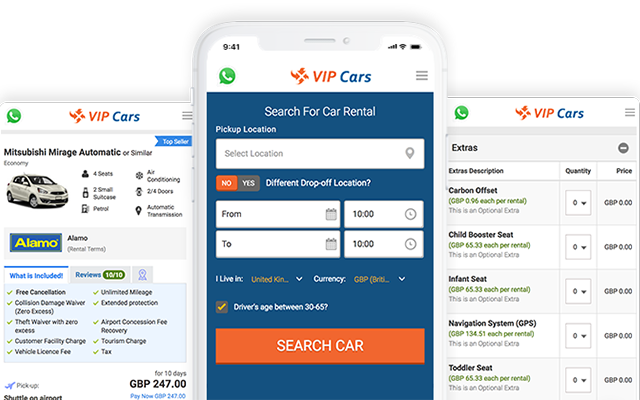
This is where comparing your options before you travel can make a real difference. VIPCars is an international car hire aggregator that allows travellers to compare rental deals from different suppliers in one place. According to information provided by VIPCars, the company has been offering car hire booking services since 2010 and works with a network of more than 800 suppliers globally. Its official information also states that its network includes major international rental names as well as domestic rental companies.
For anyone planning a UK road trip, the main advantage of using a comparison platform such as VIPCars is that you can look at available rental options before committing to a particular vehicle or supplier. Instead of checking multiple rental companies separately, you can search according to your travel dates, pick-up and drop-off locations, age and other requirements, then compare the available deals.
That does not mean every rental deal will have the same conditions. Car rental policies can differ depending on the supplier, vehicle category, location and booking. That is why understanding the rental terms is just as important as finding a good headline price.
In this guide, we will look at the most important things to consider when renting a car in the UK, from choosing the right vehicle and understanding British roads to planning your route, checking insurance conditions and avoiding common rental mistakes. We will also explain how VIPCars can fit into the booking process and what you should check before collecting your vehicle.
The UK has an extensive public transport network, but travelling by car offers a completely different experience. If your itinerary is limited to London, Edinburgh, Manchester or another major city, you may not need a car at all. In fact, driving in central areas can sometimes be inconvenient because of traffic, parking restrictions and the cost of parking.
The situation changes when you want to explore beyond city centres.
Many of the UK’s most memorable travel experiences are found outside major urban areas. Think of small villages surrounded by countryside, dramatic coastal roads, historic castles, national parks and scenic viewpoints. Reaching some of these places by public transport may require multiple connections or careful planning around limited schedules.
With a rental car, your day can be more flexible. You can leave your accommodation when you want, stop for photographs, take an unplanned detour and spend more time in places that interest you.
A car can also be particularly useful for families and groups. Rather than coordinating train or bus connections for everyone, you can travel together with your luggage in one vehicle. For longer trips, this can make the overall journey feel more relaxed.
However, renting a car is not automatically the best choice for every UK holiday. A sensible approach is to think about your itinerary first and then decide whether you actually need a vehicle for the entire trip.
For example, someone spending four days in London might be better off without a car and then renting one only when leaving the capital. Another traveller planning a week-long tour through the Scottish Highlands may find that a rental car is central to the entire experience.
The best road trip is not necessarily the one with the most driving. It is the one where the car makes the journey easier and gives you access to places you genuinely want to visit.
Before searching for a rental car, sketch out your route. You do not need to plan every minute, but having a general idea of where you are going will help you make better decisions about the rental.
Start by listing the main destinations you want to visit. Then look at the distance between them and consider how much time you realistically want to spend driving.
The UK may look relatively small compared with some other countries, but driving times can be longer than expected. Roads can become busy, especially around major cities, and rural routes may be slower than their distance suggests. A journey that appears short on a map may take significantly longer because of traffic, narrow roads or winding countryside routes.
Try not to create an itinerary that requires you to drive several hours every day. A road trip should leave room for exploration.
For example, if you are travelling through northern England, you might want to spend time exploring the Lake District rather than simply using it as a stop between two larger cities. Similarly, if you are travelling through Scotland, allow enough time to enjoy the scenery instead of rushing from one destination to another.
One useful strategy is to divide your journey into regions. You could spend several days exploring one area before moving on to the next. This reduces unnecessary backtracking and can make the trip much more enjoyable.
Your route should also influence your choice of pick-up and drop-off locations. If you are flying into the UK and planning a circular journey, collecting and returning the car to the same location may be straightforward. If you are travelling from one region to another, a one-way rental could be more convenient, although additional drop-off charges may apply depending on the supplier and locations involved.
VIPCars states in its terms that one-way rentals can be subject to drop-off charges and that the applicable details should be included in the booking information or confirmation voucher. Since these conditions vary by supplier and route, travellers should always check the specific rental terms before confirming a one-way booking.
One of the most important decisions you will make is choosing the right size and type of vehicle.
It can be tempting to select the cheapest car available, but the lowest price does not always mean the best choice. You need to consider the number of passengers, how much luggage you will carry, where you plan to drive and how long you will have the vehicle.
For a couple travelling with limited luggage, a small economy car may be perfectly suitable. It can also be easier to handle on narrow roads and easier to park in busy towns.
For a family, however, a larger vehicle may be more practical. If you have several suitcases, children’s equipment or other travel items, make sure the car has enough space for both passengers and luggage.
This is particularly important because the number of seats does not necessarily tell you how much luggage the vehicle can comfortably accommodate.
A car that technically seats five people may not have enough boot space for five passengers travelling with full-size suitcases. Before booking, think realistically about what you will carry.
VIPCars explains that the vehicle shown during the booking process may represent a vehicle category rather than a guaranteed specific make or model. The company also notes that vehicle specifications and capacity are supplied by rental providers and that a different or upgraded model may be provided by the supplier. Travellers should therefore pay attention to the vehicle category, passenger capacity and luggage information rather than assuming that a particular model is guaranteed.
This is one reason why reading the details of a rental deal carefully is so important.
Your destination should influence your vehicle choice.
If most of your trip involves motorways and larger roads, almost any suitable rental car may work well. If your itinerary includes remote countryside, narrow lanes or mountainous areas, you may want to prioritise comfort and practicality.
The UK has many rural roads where driving conditions can feel very different from those in large cities. Some routes are narrow, winding and bordered by hedges or stone walls. In some parts of Scotland, you may also encounter single-track roads with designated passing places.
A smaller vehicle can sometimes be easier to manage on these roads. At the same time, longer journeys may make a comfortable car more appealing.
Think about the balance between size, comfort and luggage space rather than focusing only on the rental price.
If you are travelling with several people, remember that the driver will spend many hours behind the wheel. A vehicle that feels comfortable for a short city journey may not be as comfortable after several hours of driving.
One of the first things international visitors need to remember is that vehicles drive on the left-hand side of the road in the UK.
If you normally drive on the right, the adjustment may take some time. The driver’s position, roundabouts, lane positioning and turning movements can all feel different.
The best approach is to take your time, particularly during the first few hours of your rental.
When leaving the rental location, avoid immediately starting a long drive if you are unfamiliar with driving on the left. If possible, spend some time getting comfortable with the vehicle and the road layout before heading onto faster roads.
Pay particular attention when leaving junctions or turning onto an empty road. It is easy to revert to familiar driving habits when you are concentrating on navigation.
Roundabouts can also require extra attention. Traffic generally travels clockwise around UK roundabouts, and you should follow the lane markings and road signs carefully.
If you are driving in a new area, navigation is another important consideration. A reliable navigation app can help, but do not rely blindly on instructions. Always pay attention to road signs and local traffic conditions.
A navigation system may suggest a route that is technically faster but less suitable for a large vehicle or inexperienced driver. If you are travelling through rural areas, you may also encounter roads that are much narrower than expected.
Before starting your road trip, familiarise yourself with the main UK road signs and speed limits.
Speed limits are generally displayed in miles per hour, not kilometres per hour. The applicable limit depends on the road and vehicle type, so always follow the signs and local rules.
The national speed limit is not the same on every type of road, and certain roads may have lower limits. Built-up areas may also have restrictions that differ from the national limit.
Do not assume that a familiar-looking road has the same speed limit as a similar road elsewhere. Look for signs and pay attention to changes in the limit.
It is also worth remembering that the posted speed limit is a maximum, not a target. Weather, traffic, road conditions and visibility can all mean that driving more slowly is the sensible choice.
This is especially relevant on a road trip. You may encounter rain, fog, narrow roads or unfamiliar junctions. Allow yourself enough time to drive safely instead of trying to maintain a schedule that leaves no room for delays.
The UK’s road network includes several types of roads, and each can offer a different driving experience.
Motorways are designed for faster, longer-distance travel and can be useful when covering significant distances between regions. However, they can become busy around major cities, particularly during peak travel periods.
A roads can range from major routes that are relatively fast to smaller roads that pass through towns and villages. The driving experience can therefore vary considerably.
Rural roads may be slower and more challenging. Some can be narrow, with limited visibility around bends. In these situations, patience is important.
One of the biggest mistakes visitors can make is planning a route based purely on distance. A road that looks direct on a map may not be the fastest or easiest option.
For a road trip, the scenic route is sometimes the better route. If you are not in a hurry, choosing a slower road through an attractive region can turn the journey itself into part of the holiday.
Where you collect your rental car can have a major impact on your trip.
Airports are popular pick-up locations because they are convenient for travellers arriving from overseas. However, depending on the supplier and location, airport rentals may involve additional fees or different pricing structures.
City-centre locations can be useful if you are already staying in a city and do not need a car immediately.
Your choice should depend on your itinerary.
If you are arriving in London but spending several days sightseeing before starting your road trip, collecting the car on the day you leave the city may be more practical than renting it from the airport and paying for several days when you are not using it.
On the other hand, if your plan is to drive directly from the airport to another part of the country, airport collection may be more convenient.
When comparing options through VIPCars, enter the exact pick-up and drop-off locations that fit your plans. The platform’s booking process allows users to search based on their travel dates and pick-up and drop-off requirements, then compare available rental options.
Price is naturally an important factor when renting a car, but it should not be the only one.
Two cars with similar daily prices can have very different rental conditions. One may include certain protections or mileage terms that another does not. The deposit requirement may also differ, as can fuel policies, additional driver fees and other charges.
VIPCars describes its service as a car hire comparison platform where travellers can compare options from different suppliers. Its official information says that search results include details such as inclusions, supplier ratings and pick-up information, while filters can be used to narrow results based on factors such as car type, price range and supplier preference.
This comparison approach can be particularly helpful when planning a longer road trip.
Instead of selecting the first affordable car you see, take a few extra minutes to compare what you are actually getting.
Look at the total rental cost, the vehicle category, the supplier, the pick-up location, the deposit requirement, mileage terms and the conditions around cancellation and changes.
A slightly more expensive deal may be better value if it is more suitable for your trip.
This is one of the most important pieces of advice for anyone renting a car.
Do not assume that every rental deal follows the same rules.
VIPCars acts as a broker or facilitator between the renter and the rental supplier, and its terms explain that the rental itself is subject to the supplier’s conditions as well as the laws applicable in the country or location where the rental takes place. The company advises customers to review the supplier’s terms before booking.
VIPCars also provides access to supplier rental terms during the booking process. According to its help information, travellers who have not yet booked can find the relevant terms through the “Rental Terms” link associated with a rental deal, while customers who already have a booking can check the “Rental Conditions” section of their confirmation voucher.
Take the time to read these conditions.
Pay particular attention to:
Driver age requirements
Required documents
Credit card requirements
Security deposit
Insurance and protection
Excess or deductible
Fuel policy
Mileage restrictions
Additional driver charges
Late return rules
Cancellation conditions
One-way rental fees
Cross-border travel restrictions
Additional equipment
Out-of-hours collection
The exact requirements will depend on your selected rental.
This may seem like a lot to check, but doing it before you travel can prevent unpleasant surprises at the rental desk.

The security deposit is an area where travellers sometimes get caught off guard.
A rental car may have an attractive booking price, but the supplier can still require a security deposit when you collect the vehicle.
VIPCars explains that most rental suppliers require a credit card in the main driver’s name for the security deposit. The supplier may place a temporary hold on the card to cover potential costs such as damage, fuel or other charges. The exact deposit requirement depends on the supplier and rental terms.
Before travelling, make sure you understand how much available credit you may need.
It is not enough to know that you have a credit card. The card must generally meet the supplier’s requirements, and sufficient available funds or credit may be needed for the security hold.
This is another reason to read the specific rental conditions attached to your booking.
If the supplier requires a credit card and you arrive without one that meets the conditions, the rental company may refuse to release the vehicle. VIPCars’ terms state that it is not responsible for a rental being rejected because the renter failed to provide the required documents or a suitable credit card.
Your documents are just as important as your booking.
At collection, VIPCars states that travellers generally need to provide their car hire voucher, a valid driving licence, a credit card in the main driver’s name and identification such as a passport or national ID. However, the exact requirements can vary by supplier, so the supplier rental terms and confirmation voucher should be treated as the final reference for your booking.
International visitors should also check whether an International Driving Permit or other documentation is required based on their licence and circumstances.
An International Driving Permit, where required, does not replace your original driving licence. VIPCars’ terms specifically state that a valid standard driving licence in the renter’s name is still required, even when an international permit is needed.
Before you leave home, check that your driving licence is valid and that your name matches the booking and required payment card information.
It is also sensible to keep your booking voucher and important rental documents accessible throughout your journey.
Fuel policies can vary between rental companies and individual deals.
A common arrangement is a full-to-full policy, where you receive the car with a full tank and are expected to return it full. Other arrangements may require you to purchase fuel at the start of the rental.
VIPCars’ terms explain that suppliers can have different fuel policies and that customers should check the applicable policy before booking. The terms also note that under some arrangements, unused fuel may not be refunded.
For this reason, do not assume that every rental works the same way.
Check the fuel policy in your booking documents and understand what is expected before returning the vehicle.
If you are following a tight schedule, identify a suitable petrol station near the drop-off location in advance. This is especially useful when returning a car at an airport, where you may need to allow extra time for refuelling before reaching the rental return area.
Mileage is another detail worth checking before booking.
Some rental deals may include unlimited mileage, while others may have restrictions or different mileage conditions. VIPCars notes that rental inclusions vary between suppliers and countries, and customers should check the specific rental terms for their selected deal.
For a UK road trip, mileage can add up quickly.
A journey that starts in London and continues through northern England before heading into Scotland can involve significant distances. If your rental has a mileage limit, make sure your planned route fits within it.
Estimate your approximate mileage before booking. You do not need an exact number, but having a reasonable idea will help you choose the right deal.
A good UK road trip is about more than reaching the next destination.
One of the biggest benefits of having a car is the freedom to stop along the way. You might discover a historic village, a viewpoint, a country pub or a coastal town that was never part of your original itinerary.
Give yourself permission to slow down.
Instead of planning every day around the maximum number of destinations you can visit, think about the experiences you want to have.
If you are driving through the countryside, schedule time for scenic stops. If you are travelling along the coast, allow extra time for viewpoints and short walks. If you are visiting historic towns, consider spending a night rather than treating them as quick photo stops.
A road trip becomes much more enjoyable when you are not constantly watching the clock.
Renting a car is excellent for exploring many parts of the UK, but major city centres require more planning.
Parking can be limited or expensive, and some areas have traffic restrictions or other vehicle-related charges. Before driving into a large city, research where you will leave the car.
In some cases, the easiest option is to stay outside the city centre and use public transport for sightseeing.
This can be especially useful if your road trip includes London. You may prefer to explore the capital without a car and then collect your rental vehicle when you are ready to continue your journey.
The same principle can apply to other major cities. If you are only visiting for a day, there may be little benefit in spending time searching for parking.
Think of the rental car as a tool for the parts of the trip where it adds the most value.
If you are travelling with another adult who can drive, adding an additional driver may make a long road trip easier.
Sharing driving responsibilities can be useful when covering long distances, especially if you want to explore several regions.
However, additional driver policies and charges vary between suppliers. VIPCars advises customers to check the relevant supplier’s policies and terms for additional drivers.
Do not assume that someone can simply get behind the wheel because they are travelling with you.
Make sure every person who intends to drive is properly authorised under the rental agreement and meets the supplier’s requirements.
This is particularly important when travelling with family or friends. The safest approach is to have all intended drivers included correctly in the rental arrangement before setting off.
After a long flight or train journey, it can be tempting to collect your keys and leave as quickly as possible.
Try not to rush.
Before driving away, make sure you understand the basic operation of the vehicle. Check the lights, indicators, windscreen wipers and other controls. If the car has features you are unfamiliar with, ask the rental staff for help.
You should also inspect the vehicle carefully according to the supplier’s process.
If there is existing damage, make sure it is recorded according to the rental company’s procedures before leaving the collection point. Taking photographs can also be a useful personal record.
The same principle applies when returning the car. Follow the supplier’s instructions and keep any relevant documentation.
VIPCars’ terms make clear that the rental supplier is responsible for matters at the local rental desk, and that customers should address concerns about the condition or collection of the vehicle with the supplier while the rental is in progress.
Taking a few extra minutes at the beginning can save you from unnecessary stress later.
For travellers who want to compare rental options before a UK road trip, VIPCars can be a useful starting point.
The company describes itself as an international car hire aggregator, allowing customers to compare rental options from a network of suppliers. Its official information says that the platform offers a search-and-compare process where customers can enter their travel details, review available vehicles, apply filters and then select a rental option that fits their requirements.
The key is to use the platform as a comparison tool rather than choosing based solely on the first price you see.
Look at the complete rental conditions attached to each deal. Compare the vehicle category, supplier, location, included services, deposit requirements, fuel policy and cancellation terms.
VIPCars’ official information also states that booking management and amendments are available, while its help information explains that customers can use the Manage Booking section to request changes to an existing reservation. However, changes remain subject to the applicable supplier’s policies and availability.
For a road trip where plans may change, understanding these conditions before booking is valuable.
The biggest advantage of planning ahead is simple: you know what you are booking before you arrive.
A UK road trip can be an unforgettable way to explore the country, but the quality of the experience depends heavily on how well you prepare.
Choose a vehicle that suits your passengers and luggage rather than automatically picking the cheapest option. Plan your route realistically, remember that driving times can vary, and leave room for unexpected stops. If you are unfamiliar with driving on the left, give yourself time to adjust. Most importantly, read the rental conditions carefully before confirming your booking.
VIPCars can help simplify the comparison stage by bringing rental options from different suppliers together in one place. The platform provides a search, compare and booking process, while its terms make clear that the actual rental conditions depend on the selected supplier and booking.
For your next UK road trip, take the time to compare your options, understand the terms and choose a vehicle that fits the journey you actually want to take. A little preparation before you pick up the keys can make the difference between spending your holiday worrying about rental details and simply enjoying the road ahead.

Once you have chosen your rental car and understood the basic rental conditions, the next step is deciding how you want to experience the UK. One of the biggest advantages of renting a car is that you are not limited to travelling between major cities. You can build an itinerary around landscapes, historic towns, coastal scenery, castles, national parks and smaller destinations that may be difficult to reach using public transport alone.
The UK is made up of four countries, each with its own character and attractions. England offers everything from historic cities and picturesque villages to dramatic coastlines and national parks. Scotland is known for its mountains, lochs, castles and scenic Highland routes. Wales combines rugged landscapes with coastal roads, historic castles and beautiful countryside. Northern Ireland offers spectacular coastal scenery, charming towns and famous routes such as the Causeway Coastal Route.
You do not have to cover everything in one trip. In fact, trying to visit too many regions in a short period can make your holiday feel like one long drive. A better approach is to choose one or two regions and explore them properly.
For example, a traveller interested in history might plan a route connecting London, Oxford, Bath and the Cotswolds. Someone looking for dramatic scenery could focus on Scotland, while a traveller interested in coastal landscapes might choose Cornwall or Wales.
The flexibility of a rental car means you can create a trip around your own interests. VIPCars can be part of the planning process by allowing you to compare rental options based on your chosen pick-up and drop-off locations before you begin your journey.
London is often the starting point for international visitors, but it is not necessarily the best place to begin driving.
If your holiday starts in London, consider spending a few days exploring the city without a car. London’s public transport network makes it possible to visit many major attractions without dealing with city-centre traffic or parking.
Once you are ready to begin your road trip, you can collect your rental car and head towards southern England.
Oxford is a popular option for travellers interested in historic architecture and university traditions. From there, you can continue towards the Cotswolds, an area known for its villages, stone cottages and countryside landscapes.
Bath is another attractive addition to a southern England itinerary. The city is known for its Roman heritage, Georgian architecture and historic thermal baths.
Depending on your available time, you could continue towards Bristol, the southern coast or further west towards Cornwall.
This type of itinerary works well for travellers who want a combination of history, architecture, countryside and coastal scenery. It also allows you to avoid spending the entire trip on motorways.
When planning your rental, consider whether you want to return the vehicle to the same location or finish your journey somewhere else. If you choose a one-way rental, check the applicable terms and any additional charges before confirming the booking.
The Cotswolds are particularly well suited to a road trip because many of the area’s attractions are spread across villages and countryside.
Driving gives you the flexibility to move between destinations without relying on public transport schedules. You can spend the morning exploring one village, stop for lunch somewhere along the route and continue to another destination in the afternoon.
However, visitors should remember that many Cotswold villages have narrow roads and limited parking. Avoid assuming that every location will have convenient parking directly outside the attraction you want to visit.
A smaller rental car can sometimes be easier to manage on narrow country roads. At the same time, you should choose a vehicle with enough space for everyone travelling with you.
If you are planning to visit several villages in one day, resist the temptation to pack too much into your itinerary. The charm of the Cotswolds is often in taking things slowly.
Instead of trying to visit ten places in a single day, choose a few destinations and give yourself time to enjoy them.
The Lake District is another destination where having a car can make exploring the wider region easier.
The area is known for lakes, mountains, walking routes and picturesque towns. Driving allows you to move between different parts of the region and discover viewpoints and locations that may be difficult to reach without your own transport.
However, the roads around the Lake District can be narrow and winding, particularly away from the main routes. Drivers should take their time and be prepared for changing weather conditions.
If you are visiting during a busy period, parking can also become an issue. Popular destinations may have limited spaces, so it is worth researching parking arrangements before setting out.
A road trip through the Lake District should not be planned around speed. The scenery is part of the experience, and you may find yourself stopping more often than expected.
Build some flexibility into your schedule so that you can enjoy the landscape rather than feeling pressured to reach the next hotel at a specific time.
Scotland is one of the UK’s most rewarding destinations for a road trip, particularly for travellers who enjoy dramatic landscapes.
The Scottish Highlands offer mountains, lochs, remote roads, historic sites and scenic viewpoints. A rental car gives you the freedom to explore these areas at your own pace.
However, distances can be deceptive. A route that looks manageable on a map may take much longer because of winding roads, slower traffic and frequent scenic stops.
Do not plan your Scottish road trip as if you were driving through a major motorway network.
Instead, think about how much time you want to spend experiencing each area.
The North Coast 500 is one of Scotland’s best-known driving routes, but it should not be treated as a race. Travellers should consider the time available, accommodation availability and their driving experience before committing to the entire route.
If you are unfamiliar with driving on narrow roads, take extra care on single-track routes. Use designated passing places correctly and remain patient when meeting other vehicles.
The Highlands are also an excellent reminder of why choosing the right rental vehicle matters. You may not need a large SUV, but you should have a vehicle that is comfortable for longer journeys and suitable for the roads on your itinerary.
Wales is another destination where a rental car can be particularly useful.
The country combines mountains, national parks, coastline, historic towns and castles. A road trip can take you from Cardiff into the countryside and onwards towards Snowdonia and the north Wales coast.
The scenery changes quickly, making Wales an interesting destination for travellers who want variety without covering enormous distances.
If you enjoy history, you can build an itinerary around Welsh castles. If you prefer outdoor activities, you can focus on national parks and walking routes.
The key is to allow enough time for the roads themselves. Some routes through mountainous areas can be slower than expected, and weather conditions can change quickly.
Plan your daily driving carefully and avoid assuming that you can cover a large part of the country in a single afternoon.
Northern Ireland can also be a great destination for a road trip.
The Causeway Coastal Route is particularly popular, offering opportunities to explore coastal landscapes and attractions along the way. Belfast can serve as a starting or ending point, depending on your itinerary.
If you are planning to take a rental car between different parts of the UK, make sure you understand the supplier’s rules before booking. Cross-border travel requirements can vary, and permission may be required depending on the rental company and destination.
This is another situation where reading the specific rental terms associated with your chosen vehicle is essential.
Do not assume that because a rental car can be driven across a border, every supplier automatically allows it without additional conditions.
The UK’s weather can be unpredictable, and this is something every road-tripper should take seriously.
A sunny morning can turn into a rainy afternoon, particularly in mountainous or coastal areas. During colder months, some regions can experience snow, ice and reduced visibility.
Your driving plans should take weather into account.
If you are travelling through Scotland, Wales or northern England, allow additional time when the forecast suggests difficult conditions. Do not plan a long drive based on the assumption that the weather will remain perfect.
Rain can also affect visibility and stopping distances. If conditions become uncomfortable, slow down and consider taking a break.
For longer journeys, check the weather forecast before leaving each morning. It is better to adjust your plans than to spend several hours driving through conditions that make you uncomfortable.
A flexible itinerary is one of the biggest advantages of a road trip. Use it when necessary.
The amount of daylight available can vary significantly depending on the time of year.
During summer, daylight hours are long, particularly in Scotland. This can make it easier to enjoy scenic drives and explore destinations later in the evening.
During winter, the days are much shorter, and darkness arrives earlier.
This matters when planning rural journeys.
A route that would be comfortable in daylight may feel very different after dark, particularly if you are unfamiliar with the roads. If you are not confident driving at night, plan to reach your accommodation before darkness where possible.
This is especially important on rural roads, where street lighting may be limited or unavailable.
Your accommodation choices can make a major difference to your road trip.
Instead of changing hotels every night, consider staying for two or three nights in selected locations and using them as bases for exploring the surrounding region.
This reduces the amount of time you spend packing and unpacking and allows you to explore without carrying all your luggage around every day.
When booking accommodation, check whether parking is available and whether it is included in the room rate.
A hotel may advertise parking but charge an additional fee. In other locations, parking may be available nearby but not directly at the property.
This is particularly important in historic towns and city centres, where parking can be limited.
If you are travelling with a rental car, accommodation with convenient parking can sometimes be worth paying a little more for, especially if you plan to stay several nights.
A rental car can make travelling with luggage convenient, but it also means you need to think about security.
Avoid leaving valuable items visible inside the vehicle, particularly when parking in busy areas or at scenic viewpoints.
If you have luggage in the boot, consider whether it will be visible from outside the vehicle. Where possible, keep valuables with you rather than leaving them in the car.
When stopping for sightseeing, choose established parking areas and follow local signs.
A road trip often involves leaving the car for short periods while visiting attractions, taking photographs or going for walks. Treat the rental vehicle as you would your own car and take sensible precautions.
Parking rules can vary from one location to another.
You may encounter pay-and-display car parks, private parking facilities, council-operated parking areas and designated roadside spaces.
Always check the signs before leaving your car.
Some parking areas have specific payment methods, time limits or restrictions. Others may require payment through a mobile app.
If you are unfamiliar with the local system, give yourself a few extra minutes to understand the rules.
Do not assume that parking is free simply because you do not see a ticket machine. Look for signs indicating whether payment is required or whether specific restrictions apply.
Parking fines can add unnecessary expense to a road trip, so taking a moment to read the signs is well worth it.
The countryside can create a different set of parking challenges.
You may see beautiful scenery and want to stop immediately for a photograph, but do not leave your vehicle in a dangerous or obstructive position.
Avoid blocking narrow roads, entrances, passing places or access points.
If a location is popular with tourists, look for designated parking areas rather than stopping wherever there is a small space at the side of the road.
This is particularly important on single-track roads in Scotland, where passing places are designed to allow vehicles to pass each other. They should not be treated as permanent parking spaces.
Being considerate of local residents and other road users will make your journey safer and more enjoyable.
Fuel is one of the expenses that can make a difference to your overall road trip budget.
Your fuel costs will depend on the vehicle you choose, how far you drive and current fuel prices.
A smaller, fuel-efficient vehicle may be more economical for a long journey, but the best choice depends on your passengers, luggage and route.
Before setting out each day, check how much fuel you have and think about where you can refuel.
Do not always wait until the tank is almost empty, particularly when driving through remote areas.
In some rural parts of the UK, petrol stations may be less frequent than you expect. If you know you are entering a remote area, consider refuelling beforehand.
This is a simple habit that can prevent unnecessary stress.
When comparing rental options through VIPCars, it is important to look beyond the initial price displayed in search results.
Your total cost can be influenced by the length of the rental, vehicle category, location, fuel, optional extras, additional drivers and other applicable charges.
For example, a car that appears cheaper at first may not be the best choice if it has conditions that do not suit your trip.
Take the time to compare the complete booking details.
Think about the total cost of the journey rather than only the daily rental rate.
If you are travelling for ten days, even a small difference in the daily price can add up. At the same time, paying slightly more for a vehicle that is more practical or comfortable may be worthwhile.
The goal is not necessarily to find the cheapest car. The goal is to find the rental that offers the best overall fit for your journey.

Rental deals can include different levels of coverage and services.
When comparing options, check exactly what is included rather than assuming that all advertised prices cover the same things.
Pay attention to insurance-related information, excess amounts, mileage, fuel policy and other inclusions.
VIPCars provides information about the rental conditions associated with individual deals, but the precise terms depend on the selected supplier.
This means that two vehicles in the same category may have different conditions if they are supplied by different rental companies.
Read the details carefully before booking.
If something is unclear, make sure you understand it before paying.
Insurance can be one of the most confusing parts of car rental.
Different rental products may include different levels of protection, and the terminology used can vary between suppliers.
Before booking, understand what protection is included and what financial responsibility may remain with you if the vehicle is damaged.
The excess, sometimes referred to as a deductible, is particularly important.
A low rental price can look attractive, but you should consider the potential financial exposure if something goes wrong.
Do not automatically assume that every insurance product offered during the booking process is necessary, but do not ignore the subject either.
Read the terms carefully and consider your own circumstances, travel plans and level of comfort with the potential costs.
Taking photographs of your rental car before leaving the collection location is a sensible precaution.
Walk around the vehicle and photograph any existing marks or damage. Pay attention to areas that may be easy to overlook, such as wheels, bumpers and mirrors.
The purpose is not to create unnecessary worry. It is simply to keep a personal record of the vehicle’s condition when you received it.
If you notice damage that has not already been recorded, raise it with the rental supplier before driving away and follow their process for documenting it.
Keep the photographs until the rental is fully completed.
This small step takes only a few minutes and can provide useful documentation if questions arise later.
Once you leave the rental location, you may be tempted to start driving immediately.
Before heading onto a motorway or beginning a long rural journey, spend a few minutes checking the vehicle.
Make sure you know how to operate the headlights, indicators, windscreen wipers, climate controls and navigation system.
Check the fuel level and confirm that it matches the information provided by the rental company.
If you are travelling with children, make sure any required child seats are correctly installed and suitable for the child travelling with you.
If you have never driven the particular vehicle type before, take a short drive in a quieter area before joining a busy road.
Getting comfortable with the car early can make the rest of the journey much easier.
Motorways can be intimidating for visitors who are unfamiliar with UK driving.
Traffic can move quickly, and busy sections around major cities can have multiple lanes and frequent exits.
Pay attention to road signs and lane markings, and plan your route before starting the journey.
If your navigation system gives you instructions at short notice, avoid making sudden lane changes. It is better to miss an exit and take another route than to make an unsafe manoeuvre.
Take regular breaks on longer motorway journeys.
Driving for several hours without stopping can lead to tiredness, which is particularly dangerous when you are unfamiliar with the roads.
Service areas are available along many major routes, providing opportunities to refuel, use facilities and take a break.
A road trip can involve long days, especially when you want to see as much as possible.
However, fatigue can affect driving ability in ways that are not always obvious.
If you have been driving for several hours and feel tired, take a break.
Do not feel pressured to continue simply because your accommodation is still another hour away.
A good road trip itinerary should allow enough time for rest.
If you are travelling with an additional authorised driver, you may be able to share driving responsibilities, depending on the rental agreement.
Otherwise, plan your route so that driving days are manageable.
One of the best reasons to rent a car in the UK is the opportunity to enjoy scenic driving routes.
The journey between destinations can sometimes be as memorable as the destination itself.
In Scotland, you can experience mountain landscapes and lochs. In Wales, roads can take you through national parks and coastal areas. In England, you can explore countryside routes through regions such as the Cotswolds or Lake District.
The important thing is to leave enough time.
If you choose a scenic route but schedule your day so tightly that you cannot stop, you may end up missing the best part of the journey.
Check your route in advance and identify a few places where you would genuinely like to stop.
You do not need to plan every photograph. Leave some space for spontaneity.
If your schedule allows, travelling outside the busiest summer months can make a road trip more comfortable.
Spring and autumn can offer beautiful scenery while avoiding some of the busiest travel periods.
However, weather conditions may be less predictable, and daylight hours can be shorter than during summer.
Before choosing your travel dates, consider what matters most to you.
If you want long daylight hours and warmer conditions, summer may be the preferred choice. If you prefer quieter destinations and potentially less busy roads, another season may be more appealing.
Whatever time of year you choose, plan according to the conditions you are likely to encounter.
The best road trips often include moments that were never planned.
You might find a beautiful viewpoint, discover a village you had never heard of or decide that you want to stay longer in a particular destination.
Try not to create an itinerary that leaves no room for flexibility.
This is one of the biggest advantages of travelling by rental car.
You can adjust your plans more easily than you could with a fixed sequence of trains or buses.
At the same time, flexibility does not mean ignoring your rental agreement.
If you need to change the return location or extend the rental period, contact the relevant rental provider and follow the applicable booking procedures. Do not assume that you can simply return the vehicle later or at another location without arranging it in advance.
Once you have booked your rental through VIPCars, keep your confirmation information available throughout your trip.
Your booking voucher contains important details about your rental and can be useful when collecting the vehicle.
Check the information before travelling and make sure the pick-up location, date and time are correct.
It is also worth checking the rental company’s opening hours, particularly if you are collecting or returning the car outside normal business hours.
If your travel plans change, review the applicable amendment and cancellation conditions before making changes.
Having all your booking information easily accessible can make the collection process much smoother.
Even experienced travellers can make mistakes when renting a vehicle.
One common mistake is choosing a car based entirely on price. A cheap rental may not be suitable for your luggage, route or travel group.
Another mistake is failing to check the security deposit requirements.
Some travellers also forget to check the fuel policy and return the car without following the required procedure.
Ignoring mileage conditions can create additional costs, while failing to include an additional driver correctly can create problems if someone else drives the vehicle.
It is also easy to underestimate driving times.
A road trip itinerary that looks manageable on a map may become exhausting when you account for traffic, stops and slower rural roads.
The best way to avoid these problems is to read the rental conditions carefully and plan realistically.
The car rental market includes many different suppliers, vehicle categories and rental conditions.
For travellers who do not want to visit multiple websites individually, a comparison service such as VIPCars can simplify the initial research process.
You can start by entering your travel details and then compare available options based on factors that matter to your trip.
The important thing is to remember that comparison is only the first step.
Once you find a rental that looks suitable, review the specific conditions attached to it. Check the supplier, vehicle category, deposit, fuel policy, mileage, protection and cancellation rules.
A good comparison process combines price with practical considerations.
That approach can help you find a rental that works for your actual itinerary rather than simply choosing the cheapest option available.
A little preparation can make your UK road trip much more enjoyable.
Before leaving home, confirm your rental booking and make sure you have all required documents. Check the driving requirements that apply to your licence and nationality. Review the rental conditions and understand the deposit and payment requirements.
Think about your route and estimate how much driving you will actually do.
If your itinerary includes rural areas, check the roads and weather conditions before setting out. Plan fuel stops when travelling through remote regions and allow plenty of time for scenic stops.
When you collect your vehicle, inspect it carefully, familiarise yourself with the controls and make sure any existing damage is properly documented.
Then, once everything is ready, enjoy the freedom that comes with having your own set of wheels.
A UK road trip is not simply about getting from one city to another. It is about discovering the places in between. With a well-planned rental car, you can take the scenic route, stop when something catches your attention and explore parts of the country that might otherwise be missed.
By comparing your options through VIPCars, checking the rental conditions carefully and choosing a vehicle that genuinely suits your plans, you can start your journey with greater confidence and spend more time focusing on the experiences that make a road trip memorable.