





Owning a home comes with countless responsibilities, and one of the biggest challenges is dealing with unexpected repair bills. Appliances break down without warning, heating and cooling systems stop working at inconvenient times, and plumbing or electrical issues can quickly become expensive. Even a well-maintained home isn’t immune to normal wear and tear, which is why many homeowners look for ways to reduce the financial impact of major repairs.
That’s where a home warranty can make a real difference.
Among the many companies in the industry, American Home Shield (AHS) has built one of the longest-standing reputations in the home warranty market. Having served homeowners for decades, the company offers coverage designed to help pay for the repair or replacement of many covered home systems and appliances that fail due to normal wear and tear, subject to the terms and conditions of the chosen plan.
If you’re considering purchasing a home warranty—or you’re wondering whether it’s time to switch providers—this review will help you understand what American Home Shield offers, how its plans work, where it stands out, and whether it’s worth the investment in 2026.
In this comprehensive review, we’ll take an honest look at its coverage options, features, benefits, potential drawbacks, pricing considerations, and who can benefit the most from an American Home Shield plan.

American Home Shield is one of the pioneers of the home warranty industry in the United States. Unlike homeowners insurance, which generally covers damage caused by events such as fire, storms, theft, or other covered perils, a home warranty focuses on repairing or replacing covered household systems and appliances when they stop working because of normal wear and tear.
The company works with a nationwide network of independent service contractors who diagnose covered problems and perform repairs when a claim is approved under the terms of the contract.
Instead of paying the full cost of a covered repair out of pocket, homeowners pay a service fee for each approved service request, while the home warranty helps cover eligible repair or replacement costs according to the plan’s coverage limits, exclusions, and conditions.
For many homeowners, this provides added financial predictability, especially when several major household items are aging at the same time.
Many people mistakenly assume that homeowners insurance and home warranties serve the same purpose. In reality, they protect against very different risks.
Homeowners insurance is intended to help cover sudden and accidental damage caused by covered events such as fires, windstorms, hail, or theft. It generally does not cover appliances or systems that simply stop working because they’ve become worn out over time.
That’s where a home warranty comes in.
Imagine some common situations:
Your air conditioner stops cooling in the middle of summer.
Your water heater suddenly fails.
Your dishwasher refuses to start.
Your garbage disposal stops working.
Your electrical system develops an issue requiring professional diagnosis.
Your plumbing develops a covered leak inside the home.
Without a home warranty, these repairs can easily cost hundreds—or even thousands—of dollars depending on the issue.
A home warranty can help reduce those unexpected expenses by covering eligible repairs or replacements for covered items after the homeowner pays the required service fee.
For homeowners who prefer predictable budgeting, this can offer valuable peace of mind.
The home warranty industry has grown significantly over the years, with dozens of companies now offering similar services.
However, American Home Shield continues to stand out for several reasons.
One of its biggest strengths is experience. The company has been serving homeowners for decades and has handled millions of service requests throughout its history.
Another advantage is its flexibility.
Rather than offering only one standard plan, American Home Shield provides multiple coverage options that allow homeowners to choose a level of protection that matches their home’s needs.
Customers also appreciate that the company maintains a large network of independent service professionals across much of the United States, helping connect homeowners with qualified technicians when covered issues arise.
For homeowners who don’t have trusted contractors on speed dial, having access to a coordinated repair process can save time and reduce the stress of finding help during an unexpected breakdown.
The process is designed to be relatively straightforward.
After purchasing a plan, covered systems and appliances become eligible for service according to the contract terms and any applicable waiting periods.
If a covered item stops working because of normal wear and tear, the homeowner submits a service request.
This request can typically be made online or by phone.
Once the request is received, American Home Shield assigns an independent contractor from its service network to inspect the issue.
The technician diagnoses the problem and determines whether the repair falls within the coverage provided by the homeowner’s contract.
If the issue is covered, the contractor performs the repair or, when appropriate under the contract, recommends replacement.
The homeowner pays the applicable service fee for the visit, while covered repair or replacement costs are handled according to the plan’s terms.
If the issue is not covered due to contract exclusions or other limitations, the homeowner may be responsible for the repair costs.
Understanding this distinction is important because every home warranty contract includes coverage limits, exclusions, and conditions that determine eligibility.

American Home Shield offers several plan options so homeowners can choose coverage based on the age of their home, budget, and the systems or appliances they rely on most.
While plan availability and details may vary depending on location, the company generally offers three primary plans.
ShieldSilver is designed for homeowners who primarily want protection for essential home systems rather than household appliances.
Covered systems may include:
Heating systems
Air conditioning systems
Electrical systems
Plumbing systems
Water heaters
Ductwork
This option may appeal to homeowners who recently replaced most of their kitchen appliances but still want protection for expensive home infrastructure.
Heating and cooling systems are often among the costliest components to repair, making this plan attractive for homeowners focused on major mechanical systems.
ShieldGold expands coverage by combining protection for home systems with many commonly used household appliances.
Depending on the contract, covered appliances may include:
Refrigerators
Ovens
Cooktops
Dishwashers
Clothes washers
Clothes dryers
Built-in microwaves
Garbage disposals
Ceiling fans
Garage door openers
For many homeowners, this provides a balanced level of protection since both systems and appliances experience wear over time.
Instead of purchasing separate warranties for individual appliances, homeowners receive broader household coverage under one plan.
ShieldPlatinum is the company’s most comprehensive standard plan.
It includes everything available under ShieldGold while adding additional benefits that may include higher coverage limits for certain covered items and select extra features, depending on the homeowner’s contract and location.
For homeowners with older homes or aging equipment, this plan often provides the greatest level of protection available through American Home Shield.
Although it generally comes with a higher monthly premium, many homeowners appreciate the broader coverage when several expensive systems are nearing the end of their expected lifespan.
One reason American Home Shield remains popular is the wide range of home systems eligible for coverage under its plans.
Examples include:
Heating failures during winter can become both uncomfortable and expensive.
Covered heating systems may include components necessary for proper operation, subject to contract terms and exclusions.
Air conditioning repairs are often among the most expensive home service calls.
A covered repair may help homeowners avoid unexpectedly large repair bills during the hottest months of the year.
Plumbing issues often require immediate professional attention.
Depending on the contract, covered plumbing components may include interior water lines, drain lines, and certain related parts.
Coverage does not extend to every plumbing issue, making it important to review contract details.
Electrical problems should always be handled by qualified professionals.
American Home Shield plans may cover many components of a home’s electrical system when failures occur because of normal wear and tear and meet the contract’s coverage requirements.
Water heaters are essential for everyday living.
Whether it’s showering, washing dishes, or doing laundry, a malfunctioning water heater can quickly disrupt daily routines.
Having coverage for eligible repairs can reduce unexpected expenses.
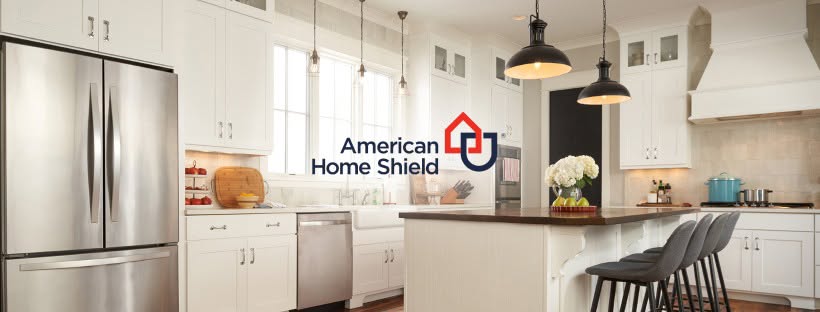
Appliances are among the most frequently used items in any home, and naturally, they’re also some of the most likely to experience wear over time.
Depending on the selected plan, American Home Shield may provide coverage for eligible repairs or replacements of covered appliances such as:
Refrigerators
Dishwashers
Built-in microwaves
Ranges
Ovens
Cooktops
Clothes washers
Clothes dryers
Trash compactors
Garbage disposals
Garage door openers
Ceiling fans
Since these appliances are used almost every day, repair costs can add up quickly when multiple items begin failing within a short period.
For households with older appliances, having a home warranty may help make these expenses more manageable, provided the issue falls within the contract’s coverage.
No two homes are exactly alike.
A newly constructed house with brand-new appliances has different needs than a 20-year-old home with original HVAC equipment and aging plumbing.
American Home Shield’s tiered plans allow homeowners to select coverage that aligns with their specific situation rather than paying for protection they may not need.
For first-time homeowners, a home warranty can provide added confidence while they adjust to the responsibilities of homeownership. Those with older homes may appreciate broader protection for aging systems and appliances that are more likely to require repairs over time.
This flexibility is one reason American Home Shield continues to be a well-known choice in the home warranty market.
One of the most important factors when evaluating any home warranty company is how easy it is to request service when something goes wrong. After all, even the most comprehensive coverage isn’t particularly useful if getting help is complicated or time-consuming.
American Home Shield has designed its claims process to be straightforward for homeowners.
When a covered system or appliance experiences a problem due to normal wear and tear, the homeowner can submit a service request online or by phone. Once the request is received, American Home Shield works to assign an independent service contractor from its network to diagnose the issue.
The contractor visits the home, determines the cause of the problem, and identifies whether the repair falls within the terms of the home warranty contract.
If the issue is covered, the repair is completed or, when appropriate under the contract, the covered item may be replaced. The homeowner pays the agreed-upon service fee for the visit, while eligible repair or replacement costs are handled according to the coverage terms.
As with any home warranty, it’s important to remember that coverage is governed by the service agreement. Certain repairs may not qualify if they involve excluded conditions, pre-existing issues, or items that fall outside the plan’s scope.
Understanding your contract before filing a claim can help set realistic expectations and make the overall experience smoother.
A common misconception is that a home warranty covers every repair in a house. In reality, all home warranty providers, including American Home Shield, have defined coverage limits, exclusions, and conditions.
Generally speaking, covered systems and appliances are eligible for service when they fail because of normal wear and tear during regular household use.
However, there are situations where repairs may not be covered.
Examples can include:
Cosmetic damage that doesn’t affect functionality
Damage caused by accidents
Improper installation
Manufacturer recalls
Routine maintenance
Misuse or neglect
Certain structural components of the home
Items specifically excluded in the service contract
Coverage can also vary depending on the selected plan and any optional add-ons the homeowner purchases.
Before buying a home warranty, it’s always a good idea to review the complete contract so you understand exactly what is and isn’t included.
Every home has unique needs, and not every homeowner wants identical coverage.
American Home Shield offers optional add-ons that allow customers to customize their protection beyond the standard plans.
Availability may vary by location, but optional coverage may include items such as:
Pools and spas
Guest units
Septic pumps
Well pumps
Electronics protection (where available)
Roof leak coverage (subject to plan availability and contract terms)
These options can be especially valuable for homeowners whose property includes features that would otherwise require separate repair expenses.
Rather than paying for coverage you don’t need, optional add-ons allow you to tailor your home warranty to match your property.
When comparing home warranties, pricing naturally becomes one of the biggest deciding factors.
American Home Shield’s pricing depends on several factors, including:
Your ZIP code
The plan you select
Any optional coverage you add
The service fee option available for your contract
Promotional offers available at the time of purchase
Because pricing is location-based, there isn’t a single nationwide monthly rate that applies to every homeowner.
Instead of focusing only on the monthly premium, it’s helpful to consider the overall value the plan provides.
For example, replacing an HVAC system, repairing a plumbing issue, or fixing a major appliance can cost hundreds or even thousands of dollars. If a covered repair occurs during your contract period, a home warranty may reduce the financial impact compared to paying entirely out of pocket.
That said, homeowners should also factor in service fees and review coverage limits when comparing plans.
The lowest monthly premium isn’t always the best value if the coverage doesn’t match your home’s needs.
Like most home warranty companies, American Home Shield requires homeowners to pay a service fee each time they request service for a covered item.
Think of this fee as being somewhat similar to a deductible.
The homeowner pays the service fee for the contractor’s visit, while covered repair or replacement costs are handled according to the contract.
This approach helps keep monthly premiums more manageable while ensuring homeowners have access to qualified service professionals when covered issues arise.
Before purchasing a plan, it’s worth understanding how the service fee works and how it fits into your budget.

After reviewing its plans and coverage options, several strengths become clear.
American Home Shield has been operating in the home warranty industry for decades.
That longevity matters.
A company that has served homeowners for many years has had time to develop service networks, improve claims processes, and adapt its offerings to changing homeowner needs.
While experience alone doesn’t guarantee a perfect customer experience, it does provide confidence that the company understands the complexities of home warranty coverage.
Some home warranty companies focus heavily on appliances while offering limited system protection.
American Home Shield provides plans that cover major home systems, household appliances, or a combination of both.
This flexibility allows homeowners to choose coverage based on their home’s age and condition rather than paying for unnecessary protection.
Finding a trustworthy repair technician can sometimes be difficult, especially during peak seasons when contractors are in high demand.
American Home Shield maintains a nationwide network of independent service contractors who handle covered repair requests.
For homeowners who don’t already have established relationships with local contractors, this can save valuable time during unexpected breakdowns.
The ability to request service online or by phone makes the process relatively convenient.
Instead of contacting multiple repair companies yourself, the warranty provider coordinates the assignment of a qualified contractor for covered claims.
For busy homeowners, this added convenience is often just as valuable as the financial protection itself.
One reason many homeowners choose American Home Shield is that coverage is designed for systems and appliances that experience normal wear and tear over time.
Unlike manufacturer warranties, which typically expire after a few years, a home warranty can continue providing protection for eligible covered items regardless of age, provided they meet the terms and conditions of the contract.
This can be particularly helpful for homeowners who have older—but still functional—equipment.
No home warranty company is perfect, and American Home Shield is no exception.
Considering both the advantages and limitations provides a more balanced picture.
Every home warranty has coverage limits.
While many repairs are eligible under the contract, there are maximum payout limits, exclusions, and conditions that homeowners should understand before purchasing.
Reading the service agreement carefully helps avoid surprises later.
A system failing doesn’t automatically mean the repair will be covered.
The contractor must determine that the issue falls within the terms of the contract.
Failures caused by excluded conditions or situations outside the coverage agreement may become the homeowner’s responsibility.
Response times may depend on several factors, including:
Contractor availability
Geographic location
Seasonal demand
Weather events
The urgency of the repair
For example, HVAC service requests often increase significantly during periods of extreme heat or cold.
While many repairs are handled promptly, scheduling can vary depending on local conditions.
Some homeowners purchase a home warranty expecting every household issue to be covered.
In reality, coverage is defined entirely by the service contract.
Taking time to understand the agreement before filing a claim helps establish realistic expectations.
Customer experiences with any nationwide home warranty company naturally vary.
Many homeowners appreciate the convenience of having a single provider coordinate repairs rather than searching for contractors themselves.
Others value the financial protection that comes from avoiding unexpectedly large repair bills for covered items.
Like most companies operating at a national scale, online reviews include both positive and negative experiences.
Satisfied customers often mention:
Convenient claims process
Helpful contractor coordination
Savings on covered repairs
Peace of mind
Easy online service requests
On the other hand, some customer feedback highlights situations involving:
Claim denials based on contract exclusions
Scheduling delays during busy seasons
Differences in contractor experiences depending on local availability
These experiences reinforce the importance of reading the service agreement carefully and understanding exactly how home warranties work before purchasing one.

While home warranties aren’t necessary for everyone, there are certain homeowners who may find significant value in American Home Shield.
It may be a good fit for:
First-time homeowners who want help managing unexpected repair costs.
Owners of older homes with aging systems or appliances.
People purchasing a previously owned home where manufacturer warranties have already expired.
Homeowners who prefer predictable monthly expenses instead of facing potentially large repair bills.
Individuals who don’t have trusted local repair professionals and appreciate contractor coordination.
For many households, the combination of convenience and financial protection makes a home warranty a worthwhile addition to their home maintenance strategy.
At the same time, homeowners with brand-new construction, recently installed systems, and active manufacturer warranties may find that a home warranty offers less immediate value.
Based on its long history, flexible plan options, and coverage designed for normal wear and tear, American Home Shield continues to be one of the better-known names in the home warranty industry.
Its ability to protect both major home systems and everyday appliances under a single contract appeals to homeowners looking for broader household protection.
While it’s important to understand the coverage limits, exclusions, and service fees before purchasing, the company offers a practical solution for homeowners who want to reduce the financial uncertainty that comes with unexpected repairs.
Rather than replacing homeowners insurance, an American Home Shield plan complements it by addressing a different type of risk—everyday mechanical breakdowns that occur as household systems and appliances age through normal use.
One of the biggest questions homeowners ask before purchasing a home warranty is whether it makes more financial sense to simply pay for repairs as they happen.
The answer depends largely on the age of your home, the condition of your major systems and appliances, and your comfort level with unexpected expenses.
If you own a newer home with recently installed appliances and systems that are still covered by manufacturer warranties, you may experience very few repair costs in the near future. In that situation, paying for occasional repairs yourself might seem reasonable.
However, as homes age, the likelihood of mechanical failures generally increases. Heating systems, air conditioners, water heaters, dishwashers, refrigerators, and washing machines all have expected service lives. Even with proper maintenance, normal wear and tear eventually leads to repairs or replacement.
Without a home warranty, homeowners are responsible for the full cost of those repairs. Depending on the type of equipment involved, expenses can sometimes reach hundreds or even thousands of dollars.
A home warranty doesn’t eliminate every repair cost, nor does it cover every possible situation. Instead, it helps reduce the financial uncertainty associated with covered breakdowns by providing assistance with eligible repairs or replacements after the applicable service fee is paid.
For homeowners who prefer predictable monthly expenses over unexpected repair bills, this can offer valuable peace of mind.

The home warranty industry includes several providers, each with its own strengths, pricing structure, coverage options, and contract terms.
Rather than focusing only on monthly premiums, homeowners should compare several key factors before making a decision.
These include:
Coverage for home systems
Coverage for household appliances
Service fee options
Optional add-on coverage
Coverage limits
Claims process
Availability in your state
Customer support options
Contract exclusions and limitations
American Home Shield has earned recognition over the years because it offers multiple plan options, nationwide availability across much of the United States, and coverage designed to address both major home systems and everyday appliances.
Instead of selecting a provider based solely on advertising or introductory pricing, homeowners should compare service agreements carefully to determine which company best matches the needs of their specific property.
Purchasing a home warranty is only part of the equation. To maximize its value, homeowners should also understand how to use the coverage effectively.
Here are several practical tips.
Every home warranty includes terms, exclusions, and coverage limits.
Taking the time to review your contract before you need service can help you understand:
Which items are covered
What situations are excluded
Coverage limits
Service fee requirements
Responsibilities for routine maintenance
Knowing these details ahead of time can help avoid confusion if a repair is needed later.
A home warranty is not a substitute for regular maintenance.
Changing HVAC filters, cleaning appliances, maintaining plumbing fixtures, and following manufacturer recommendations can help extend the life of your home’s systems.
Routine maintenance may also help prevent avoidable breakdowns.
If a covered appliance or system begins showing signs of trouble, it’s generally better to request service sooner rather than waiting for the issue to worsen.
Addressing problems early may help reduce additional damage and restore normal operation more quickly.
Keeping receipts for maintenance, repairs, and appliance purchases can be useful.
Although every situation is different, having documentation available may help clarify the service history of covered items if questions arise.
Buying a first home is exciting, but it also introduces many new financial responsibilities.
Unexpected repair bills are among the most common surprises for first-time homeowners.
Unlike renters, homeowners are responsible for maintaining systems and appliances throughout the property.
A failed water heater, malfunctioning HVAC system, or broken dishwasher can create immediate expenses that many new homeowners may not have planned for.
For this reason, some first-time buyers choose a home warranty as an additional layer of financial protection during their first few years of homeownership.
American Home Shield’s range of plans allows first-time buyers to select a level of coverage that fits both their home’s needs and their budget.
While every homeowner’s situation is different, a home warranty can provide added confidence during the transition from renting to owning.
Older homes often have a great deal of character, but they can also contain aging systems and appliances.
Even when everything appears to be working well at the time of purchase, older equipment naturally becomes more susceptible to wear over time.
In these situations, homeowners may appreciate having coverage for eligible repairs involving covered items.
Rather than worrying about every potential breakdown, a home warranty can help reduce the financial impact of covered repairs as systems continue to age.
Of course, coverage depends on the terms of the contract, and homeowners should always review eligibility requirements before purchasing a plan.
No.
A home warranty and homeowners insurance serve different purposes.
Homeowners insurance generally covers damage caused by covered events such as fire, windstorms, theft, or certain natural disasters, depending on the policy.
American Home Shield provides coverage for eligible repairs or replacements of covered home systems and appliances that fail because of normal wear and tear, subject to the terms and conditions of the contract.
Many homeowners choose to have both because they protect against different types of risks.
American Home Shield generally arranges service through its network of independent service contractors. Specific procedures and available options may vary depending on your contract and location.
Age alone does not automatically determine coverage.
American Home Shield is designed to provide coverage for eligible systems and appliances that experience normal wear and tear, provided they meet the terms and conditions of the service contract.
Yes.
Like every home warranty provider, American Home Shield has coverage limits, exclusions, and conditions outlined in the service agreement.
Reviewing the contract before purchasing helps ensure you understand the available protection.
American Home Shield serves homeowners across much of the United States, although plan availability and specific coverage details may vary by state.
Yes. Home warranties are often purchased during real estate transactions to provide additional reassurance for buyers after closing. Availability, plan options, and terms may vary based on location and the specific transaction.
American Home Shield continues to be one of the most recognized names in the home warranty industry, and for good reason. With decades of experience, multiple plan options, and coverage designed to help with the repair or replacement of covered systems and appliances that fail due to normal wear and tear, it offers a practical solution for many homeowners looking to manage unexpected repair costs.
Its greatest strengths lie in its broad coverage options, established network of independent service contractors, and the convenience of having one provider coordinate eligible repairs. Homeowners can choose from plans that focus on major systems, everyday appliances, or a combination of both, making it easier to find coverage that aligns with the age and needs of their home.
That said, a home warranty isn’t a replacement for regular maintenance, and it isn’t intended to cover every household repair. Coverage is governed by the service agreement, so understanding the contract—including exclusions, coverage limits, and service fees—is an essential part of making an informed decision.
For homeowners who value greater predictability in their maintenance expenses, especially those with older homes or aging appliances, American Home Shield can provide meaningful financial support when covered items experience normal wear and tear.
Unexpected home repairs are an unavoidable part of homeownership. Whether it’s an air conditioning system that stops cooling in the middle of summer, a water heater that suddenly fails, or a refrigerator that needs professional attention, these situations can quickly disrupt both your routine and your budget.
American Home Shield offers homeowners an opportunity to prepare for many of these unexpected expenses by providing coverage for eligible repairs and replacements of covered home systems and appliances, subject to the terms and conditions of the chosen plan.
While no home warranty can eliminate every repair cost, American Home Shield’s flexible plan options, long-standing industry experience, and broad coverage offerings make it a strong option for many homeowners seeking added peace of mind.
Before purchasing any home warranty, it’s always wise to compare available plans, review the service agreement carefully, and select the coverage that best matches your home’s age, condition, and maintenance needs.
If you’re looking for a trusted provider with decades of experience and customizable coverage options, American Home Shield is certainly worth considering in 2026. For many homeowners, it represents a practical way to reduce the uncertainty of unexpected repair costs while helping keep essential household systems and appliances running smoothly for years to come.