




Running a successful Airbnb isn’t just about beautiful interiors, five-star reviews, or finding the perfect location. Behind every highly rated vacation rental is a property that needs constant maintenance. Air conditioners stop cooling during summer, refrigerators quit unexpectedly, water heaters fail at the worst possible time, and electrical or plumbing issues don’t care whether your next guests are arriving in an hour.
For Airbnb hosts, every day a property sits unavailable can mean lost income, disappointed guests, and lower search rankings. That’s why many hosts look for ways to better manage the cost and stress of unexpected home system and appliance breakdowns.
One option worth considering is American Home Shield, one of the longest-established home warranty providers in the United States. Unlike homeowners insurance, which generally covers sudden events such as fires, storms, or theft, a home warranty is designed to help cover the repair or replacement of covered home systems and appliances that fail due to normal wear and tear, subject to the terms, limitations, and exclusions of the plan agreement. (ahs.com)
If you own an Airbnb property—or even several rental homes—you may be wondering whether a home warranty fits into your hosting strategy.
In this guide, we’ll explore when American Home Shield may make sense for Airbnb hosts, what benefits it can offer, what limitations to keep in mind, and how to decide whether it’s the right investment for your property.
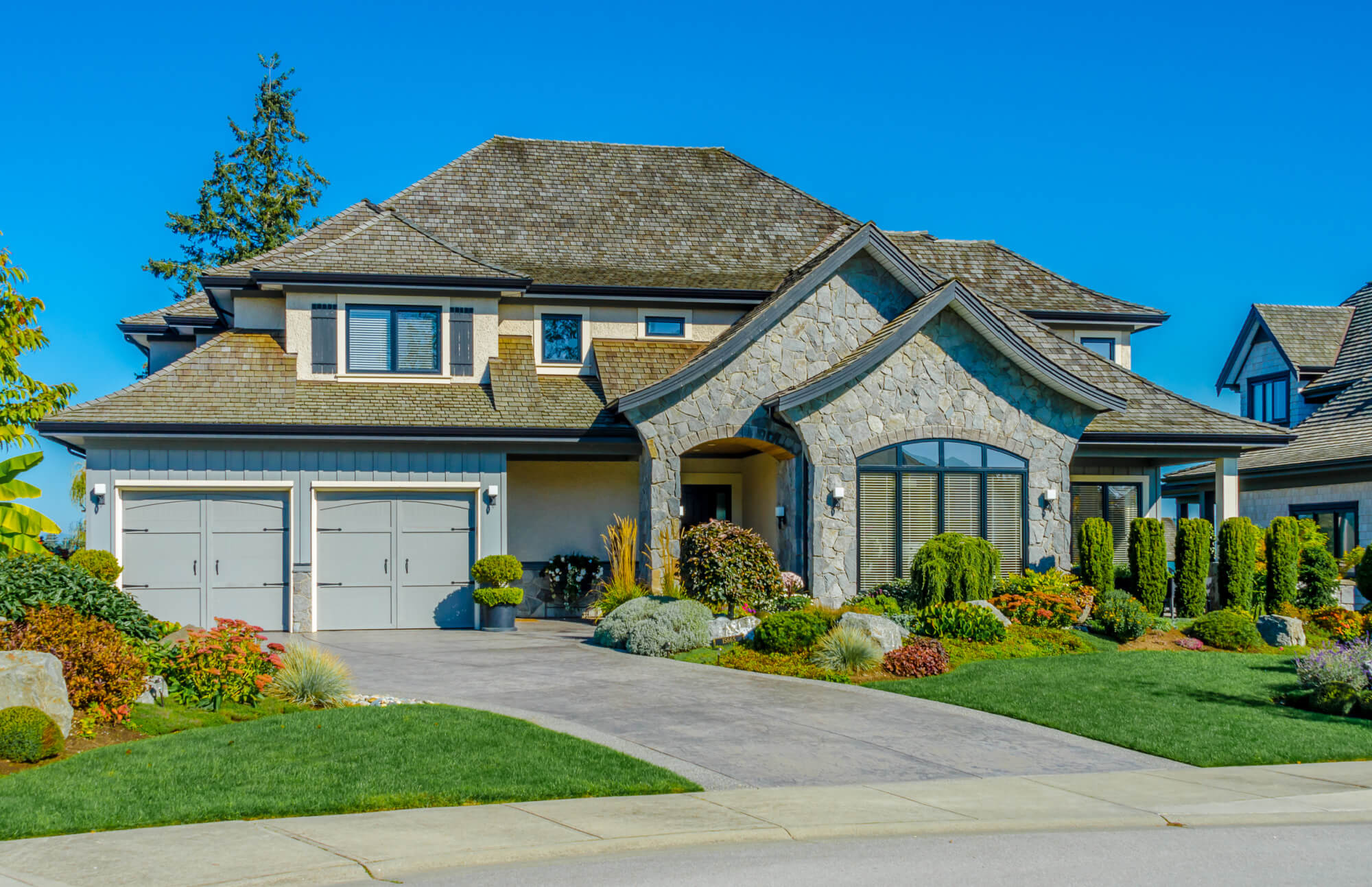
Owning a primary residence is very different from managing a short-term rental.
When guests stay in your home throughout the year, appliances and home systems experience more frequent use than they might in a typical household.
Think about everything your guests rely on:
Air conditioning
Heating
Refrigerators
Dishwashers
Washing machines
Dryers
Garbage disposals
Plumbing fixtures
Electrical systems
Water heaters
Many guests use these amenities continuously throughout their stay. During peak travel seasons, your property may host dozens—or even hundreds—of guests annually.
More usage naturally leads to more wear and tear.
A refrigerator that performs perfectly for a family of four may experience considerably heavier usage when serving a constant stream of vacation guests.
Likewise, HVAC systems often run around the clock during busy summer or winter travel seasons.
For Airbnb hosts, breakdowns aren’t just inconvenient—they can directly affect revenue.
If your air conditioning fails in July, guests may request refunds or cancel their reservations. A broken water heater can quickly lead to negative reviews. Even a malfunctioning dishwasher can become a source of frustration for travelers expecting a comfortable stay.
The financial impact goes well beyond the repair bill itself.
Hosts may also face:
Lost bookings
Emergency contractor fees
Refund requests
Lower guest ratings
Reduced occupancy
Extra stress coordinating repairs between reservations
These realities make proactive maintenance and repair planning especially important.
American Home Shield is a home warranty company that offers service plans designed to help homeowners manage the cost of repairing or replacing covered home systems and appliances when they experience breakdowns due to normal wear and tear. Coverage is provided according to the selected plan and the applicable plan agreement. (ahs.com)
Instead of searching for contractors every time something stops working, members can submit a service request when a covered item experiences a qualifying breakdown.
If the issue is covered under the plan agreement, American Home Shield coordinates with an independent service professional to diagnose the problem. If the covered item cannot be repaired, it may be replaced, subject to the plan’s coverage limits, exclusions, and other terms. (ahs.com)
This approach appeals to many homeowners because it can simplify the repair process while helping reduce unexpected repair expenses for covered items.
For Airbnb hosts, having a single point of contact for covered repairs may be especially valuable during busy booking seasons.
American Home Shield states that its homeowner plans are available for homeowners who have owned their home for at least 90 days or own a rental property. Availability and eligibility depend on location and other factors, and coverage is governed by the plan agreement. (ahs.com)
That means some Airbnb hosts who own the property they rent may be eligible for coverage.
However, it’s important to understand that every hosting situation is different.
For example:
An owner-occupied Airbnb may differ from a dedicated vacation rental.
Local regulations may affect how properties are classified.
Coverage depends on the specific terms of the selected plan.
Because of these variables, hosts should carefully review the sample plan agreement and confirm eligibility before purchasing a plan.
Although no home warranty can eliminate every maintenance issue, American Home Shield offers several potential advantages that align well with the needs of many Airbnb owners.
One of the biggest challenges of owning a vacation rental is budgeting for repairs.
A major appliance can fail without warning.
An HVAC repair may arrive during the busiest travel season.
Water heater problems rarely happen at a convenient time.
Instead of paying the full repair cost for every covered breakdown, many homeowners appreciate knowing that a home warranty can help reduce the financial uncertainty associated with eligible repairs.
While service fees, coverage limits, exclusions, and non-covered items still apply, many hosts value having more predictable maintenance expenses throughout the year. (ahs.com)
Finding a qualified repair technician on short notice isn’t always easy.
This becomes even more challenging if:
You manage multiple Airbnb properties.
Your rental is located in another city.
You travel frequently.
You operate your Airbnb remotely.
American Home Shield works with independent service professionals to diagnose covered problems after a service request is placed. This can simplify the repair process by giving homeowners a central point of contact rather than having to search for contractors every time something breaks. (ahs.com)
For remote Airbnb hosts, this convenience can save valuable time.
One aspect that many homeowners find appealing is that American Home Shield states it covers eligible systems and appliances regardless of age, and maintenance records are generally not required for enrollment. As always, actual coverage depends on the plan agreement, including applicable exclusions and limitations. (ahs.com)
This can be particularly relevant for Airbnb hosts who own:
Historic homes
Older vacation cabins
Beach houses
Mountain retreats
Investment properties with aging appliances
Replacing every older appliance before listing a property can be expensive. A home warranty may provide an additional layer of protection for covered items as they continue to age.
American Home Shield offers multiple homeowner plan options, allowing homeowners to choose coverage that best fits their needs.
In general:
ShieldSilver™ focuses on major home systems such as HVAC, plumbing, and electrical systems.
ShieldGold™ includes covered systems along with many kitchen and laundry appliances.
ShieldPlatinum™ builds on the higher-tier coverage with additional benefits, including roof leak repair coverage (subject to limits and terms) and other member perks. (ahs.com)
For Airbnb hosts, the right option depends on factors such as:
Property age
Number of appliances
Budget
Rental frequency
Maintenance history
Choosing the appropriate level of coverage requires reviewing each plan carefully and understanding exactly what is—and isn’t—covered.
A home warranty isn’t a one-size-fits-all solution. Whether it makes sense depends on your property, how often it’s booked, the age of your home’s systems and appliances, and how involved you are in day-to-day property management.
For many Airbnb hosts, American Home Shield can be particularly worth considering in certain situations.
If your vacation rental is booked frequently throughout the year, your appliances and home systems naturally experience more use. A washing machine that’s used after nearly every guest checkout, or an HVAC system that runs continuously during peak summer months, will typically accumulate wear faster than those in a lightly used home.
Similarly, if you own an older property, there’s a greater chance that certain covered systems or appliances may eventually require repairs due to normal wear and tear. Rather than facing the uncertainty of paying the full cost of every covered repair as issues arise, some homeowners prefer the predictability that a home warranty can provide, subject to the terms of their plan.
Another situation where American Home Shield may be helpful is if you manage rental properties from another city or state. Coordinating repairs remotely can be stressful, especially when guests are scheduled to arrive soon. Having a company that helps arrange service for covered breakdowns may simplify the process compared to finding repair professionals on your own.
Hosts with multiple investment properties may also appreciate having a centralized way to manage covered repair requests instead of working with different contractors for each property.
Every guest uses your home a little differently.
Some may cook elaborate meals every day.
Others may run multiple loads of laundry during a week-long stay.
Families may constantly open and close the refrigerator, use the dishwasher several times a day, and keep the air conditioning running around the clock.
While this level of usage is perfectly normal, it can accelerate the natural aging of household equipment.
Items that commonly experience heavy use in vacation rentals include:
Refrigerators
Dishwashers
Clothes washers
Dryers
Garbage disposals
Air conditioning systems
Heating systems
Water heaters
No home warranty can prevent these systems from eventually wearing out, but coverage for eligible breakdowns caused by normal wear and tear may help reduce the financial impact when covered items stop working.
Many Airbnb hosts don’t actually live near their rental property.
Some own vacation homes several hours away.
Others invest in rental markets located in entirely different states.
Managing maintenance from a distance often requires coordinating with cleaners, property managers, guests, and local contractors—all while trying to keep future reservations on schedule.
When a covered item breaks down, American Home Shield allows members to submit a service request. If the issue is covered under the applicable plan, the company works to assign an independent service professional to diagnose the problem.
While service appointment availability can vary depending on location and contractor schedules, having a single point of contact can make remote property management less complicated than arranging every repair independently.
Owning one Airbnb can be demanding enough.
Managing several short-term rentals is another challenge entirely.
Every property has its own:
HVAC system
Plumbing
Electrical components
Kitchen appliances
Laundry equipment
Even if each home is maintained well, the chances of experiencing a repair increase simply because there are more systems that can eventually fail.
Some hosts appreciate the consistency of having home warranty coverage across multiple eligible properties rather than handling every repair on an individual basis.
Of course, each property would require its own eligible coverage, and hosts should review plan terms carefully before enrolling additional homes.
Not every Airbnb is occupied year-round.
Many hosts own:
Beach homes
Lake houses
Ski cabins
Mountain retreats
Desert vacation properties
Even during slower seasons, home systems continue aging.
Water heaters can fail after sitting unused.
Electrical components can develop problems over time.
HVAC systems still require maintenance before peak travel seasons.
When guests begin arriving again, hosts often want every major system functioning properly.
Having coverage for eligible repairs may provide additional peace of mind before busy booking periods begin.
One of the biggest misconceptions among homeowners is confusing a home warranty with homeowners insurance.
These are completely different products that protect against different types of risks.
A homeowners insurance policy generally helps cover sudden, accidental events such as:
Fire
Wind damage
Hail
Certain water damage
Theft
Vandalism
A home warranty, on the other hand, is designed to help cover the repair or replacement of covered home systems and appliances that fail because of normal wear and tear, subject to the plan agreement.
For example:
If a lightning strike damages your HVAC system, that situation may fall under homeowners insurance, depending on your policy.
If your air conditioning system stops working because components have worn out over years of regular use, a home warranty may help if the breakdown is covered under your plan.
Understanding this distinction helps Airbnb hosts build a more comprehensive protection strategy.

Many new hosts assume Airbnb’s protections cover everything that could go wrong inside their home.
That’s not the case.
Airbnb offers certain programs designed to help protect hosts from specific risks associated with guest stays, but these protections are different from a home warranty.
For example, Airbnb’s host protections generally focus on situations involving guest-related incidents rather than the normal aging of household equipment.
If your refrigerator simply stops cooling because internal components wear out over time, that’s a maintenance issue—not typically the type of event Airbnb’s protections are designed to address.
Likewise:
An aging dishwasher
A worn-out water heater
Electrical components reaching the end of their lifespan
HVAC equipment failing after years of regular operation
These situations are part of home ownership rather than guest-caused damage.
This is why many experienced hosts think about maintenance planning separately from insurance and platform protections.
While American Home Shield offers valuable protection for many homeowners, it won’t necessarily be the ideal solution for every Airbnb host.
For example, it may be less suitable if:
Your property is brand new and still covered by manufacturer warranties.
Most of your appliances were recently installed.
You already maintain a large repair reserve and prefer paying for repairs yourself.
You rarely rent your property.
You are comfortable coordinating every repair independently.
A home warranty should be viewed as one possible tool for managing maintenance—not an automatic necessity for every rental property.
Evaluating your property’s age, maintenance history, and financial goals will help determine whether it aligns with your hosting strategy.
One of the best ways to avoid disappointment with any home warranty is to understand exactly what it does—and does not—cover before purchasing.
American Home Shield clearly explains that coverage is governed by the plan agreement.
Like all home warranties, there are exclusions, coverage limits, and conditions that apply.
For example, coverage is generally intended for breakdowns caused by normal wear and tear.
Issues involving:
Improper installation
Cosmetic defects
Pre-existing conditions that don’t meet coverage requirements
Items specifically excluded by the contract
Damage caused by outside events
may not be covered.
There are also coverage caps for certain items, and members are responsible for paying the applicable service fee each time they request service for a covered issue.
Reading the sample contract before enrolling is one of the smartest steps any homeowner—or Airbnb host—can take.
Before deciding whether American Home Shield is the right choice, consider asking yourself a few practical questions.
How old are my home’s major systems and appliances?
How often is my Airbnb booked throughout the year?
Would an unexpected repair significantly affect my rental income?
Do I have trusted local contractors available on short notice?
Am I comfortable paying large repair bills out of pocket?
How quickly would I need repairs completed between guest stays?
Would I benefit from having a single company help coordinate covered repairs?
Answering these questions honestly can help you determine whether a home warranty fits your overall property management strategy.
Some homeowners focus only on the monthly or annual cost of a home warranty.
While cost is certainly important, Airbnb hosts should also think about the bigger picture.
Consider the potential financial impact of:
Losing a week’s worth of reservations because your HVAC system stopped working.
Refunding guests after a water heater fails during their stay.
Paying premium emergency repair rates during a holiday weekend.
Spending hours searching for available contractors during peak travel season.
These indirect costs can sometimes exceed the repair itself.
For many hosts, the value of a home warranty isn’t just about helping with eligible repair expenses—it’s also about simplifying maintenance planning and reducing the stress that unexpected breakdowns can create.
If you decide that American Home Shield is a good fit for your Airbnb property, there are several ways to maximize its value. A home warranty works best when it’s part of a broader maintenance strategy rather than a replacement for regular upkeep.
One of the first things every host should do is read the plan agreement carefully. It explains what is covered, what isn’t, applicable coverage limits, exclusions, and any responsibilities you have as the homeowner. Understanding these details before you need service can help set realistic expectations and avoid surprises later.
It’s also a good idea to keep records of any routine maintenance performed on your property. While American Home Shield generally does not require maintenance records for enrollment, maintaining your home’s systems according to manufacturer recommendations is still a smart practice that can help extend the life of your equipment.
Many homeowners only start thinking about repairs after a major system fails.
For Airbnb hosts, that’s often too late.
Imagine discovering that your air conditioner has stopped working just hours before guests check in during the middle of summer. Even if a repair is arranged quickly, the disruption could lead to guest complaints, refund requests, or cancellations.
Planning ahead is one of the best ways to reduce stress.
Whether you choose American Home Shield or another maintenance strategy, having a plan in place before problems arise can make hosting much smoother.
A home warranty is not a substitute for routine maintenance.
Simple maintenance tasks can help reduce wear on your home’s systems and appliances while improving the guest experience.
Examples include:
Replacing HVAC filters regularly
Cleaning refrigerator coils when recommended
Inspecting plumbing fixtures for leaks
Checking smoke and carbon monoxide detectors
Servicing heating and cooling equipment according to manufacturer recommendations
Cleaning dryer vents
Inspecting water supply lines connected to appliances
These preventive measures can help extend the life of household equipment while reducing the likelihood of avoidable problems.
Even with a home warranty, it’s wise to have a list of trusted local professionals available for situations that may fall outside your plan’s coverage or require immediate attention.
Your contact list might include:
A licensed plumber
An electrician
An HVAC technician
A locksmith
A handyman
An appliance repair specialist
Having these contacts readily available can save valuable time if an issue arises between guest stays or involves something not covered under your home warranty.

Unexpected maintenance issues can happen in any home, including vacation rentals.
If a problem does occur during a guest’s stay, prompt and honest communication often makes a significant difference.
Let guests know:
That you’re aware of the issue.
What steps you’re taking to resolve it.
When they can expect an update.
Any temporary alternatives available, if applicable.
Guests are generally more understanding when they see that a host is responsive and actively working toward a solution.
Good communication can’t prevent equipment failures, but it can help preserve guest trust and protect your reviews.
Although a home warranty can help with eligible repairs, Airbnb hosts should still maintain an emergency maintenance fund.
Not every repair will necessarily be covered.
There may also be expenses related to:
Cosmetic improvements
Routine maintenance
Furniture replacement
Landscaping
Cleaning
Guest-caused damage
Home upgrades
A healthy maintenance budget allows you to address these expenses without affecting your hosting operations.
Many experienced property owners view a home warranty as one component of an overall financial plan—not the entire plan.
The answer depends largely on your individual circumstances.
If you’re just starting your hosting journey, unexpected maintenance costs can be difficult to predict.
A home warranty may provide additional confidence as you learn the responsibilities of property ownership, especially if your home’s systems and appliances are no longer covered by manufacturer warranties.
Hosts who have managed rentals for years often understand how quickly repair costs can add up.
For them, American Home Shield may serve as another tool for managing covered repair expenses while simplifying the process of arranging service for eligible breakdowns.
Older homes often have aging plumbing, electrical systems, HVAC equipment, and appliances.
Since American Home Shield states that eligible systems and appliances can be covered regardless of age (subject to the plan agreement), owners of older vacation rentals may find this particularly appealing.
Managing a rental property from another city or state can be challenging.
Having a company coordinate service for covered repairs may reduce some of the logistical burden associated with maintaining a property from afar.
Before deciding whether to purchase any home warranty, it’s helpful to clear up a few common misunderstandings.
Misconception #1: A home warranty covers everything.
No. Coverage depends entirely on the plan agreement. There are exclusions, limitations, coverage caps, and conditions that determine whether a repair or replacement is eligible.
Misconception #2: A home warranty replaces homeowners insurance.
These products serve different purposes. Homeowners insurance generally addresses covered accidental events such as fire or storm damage, while a home warranty focuses on eligible breakdowns caused by normal wear and tear.
Misconception #3: Every repair is free.
Members typically pay a service fee for each service request involving a covered issue, and coverage is subject to the plan’s terms and conditions.
Misconception #4: New homes don’t need maintenance planning.
Even newer homes can experience unexpected appliance or system issues over time, although manufacturer warranties may already provide coverage for certain items during their warranty period.
Understanding these distinctions helps homeowners make more informed decisions.
American Home Shield states that homeowners who own rental properties may be eligible for coverage. Eligibility, availability, and coverage depend on the property’s location and the applicable plan agreement. If your property is used as an Airbnb, it’s a good idea to review the plan details carefully and contact American Home Shield directly if you have questions about your specific situation.
No.
Airbnb does not require hosts to purchase a home warranty.
Whether you choose to have one is a personal business decision based on your property’s age, maintenance needs, and financial preferences.
No.
Appliances and home systems naturally wear out over time.
A home warranty is designed to help with eligible repairs or replacements after a covered breakdown occurs; it does not prevent equipment from failing.
If a covered appliance cannot be repaired and the breakdown is covered under the applicable plan agreement, American Home Shield may replace it, subject to the plan’s terms, exclusions, and coverage limits.
Not necessarily.
Some hosts prefer paying for repairs out of pocket.
Others value the budgeting predictability and service coordination that a home warranty may provide.
The right choice depends on your property’s age, the condition of its systems and appliances, your maintenance budget, and your comfort level with unexpected repair expenses.
For many Airbnb hosts, maintaining a reliable and comfortable property is one of the most important parts of delivering a great guest experience.
When a major appliance or home system fails unexpectedly, the consequences often extend beyond the repair bill. You may need to coordinate emergency service, communicate with incoming guests, adjust reservations, or even lose rental income if the property becomes temporarily unavailable.
American Home Shield offers a way for eligible homeowners to help manage the cost of covered repairs and replacements resulting from normal wear and tear. In addition to financial predictability for covered items, many homeowners appreciate having service requests coordinated through one provider rather than locating repair professionals each time an eligible issue arises.
That said, a home warranty is not a replacement for regular maintenance, homeowners insurance, or careful financial planning. Coverage varies by plan and is always subject to the terms, exclusions, limitations, and coverage caps outlined in the plan agreement. Taking the time to review those details before enrolling is essential.
For Airbnb hosts with older homes, frequently booked rentals, or properties managed from a distance, American Home Shield may be a valuable addition to an overall maintenance strategy. For others—such as owners of newer homes still under manufacturer warranties or those who prefer to self-insure against repair costs—it may be less compelling.
Ultimately, the decision comes down to your hosting style, the condition of your property, and how you prefer to manage maintenance risk.
If your goal is to reduce the uncertainty associated with covered breakdowns while simplifying the repair process for eligible systems and appliances, American Home Shield is certainly a provider worth considering. By understanding exactly what its plans include and choosing coverage that aligns with your property’s needs, you can make a more informed decision that supports both your home and your Airbnb business over the long term.